
Guide
POA, HOA & regime fees: what to check before you buy
Two gated communities fifteen minutes apart can be structured nothing alike. Here is what each fee actually is, what I check, and what I tell every buyer to ask for.
Most buyers read the listing, tour the house, and only meet the governing documents once they’re under contract. In a market that is almost entirely gated communities, that is backwards. The documents decide what the house costs to own and what you’re permitted to do with it.
What is a regime fee?
A regime fee is a condo or villa owner’s share of the common expenses of a horizontal property regime. The recorded master deed sets each unit’s percentage, and South Carolina law obliges every owner to pay it toward running and repairing the shared buildings and grounds. A POA fee is a separate assessment set by the community’s association.
Regime fee vs POA fee vs HOA fee
The three get used interchangeably in listings, and they are not the same thing. A regime is a form of ownership created by recording a master deed under the Horizontal Property Act; I walk through what that means for what you own in a separate guide. An association is a body that governs a community and levies assessments under its declaration. Most gated communities here call theirs a POA; the state’s Homeowners Association Act calls the same kind of body a homeowners association. A villa inside a gate can sit in both, and pay both.
| Regime fee | POA or HOA fee | |
|---|---|---|
| What it is | Your share of a horizontal property regime’s common expenses | An assessment levied by the association under its recorded declaration |
| What fixes your share | The percentage recorded in the master deed for your unit (SC Code § 27-31-100(d)) | The declaration and the budget the board adopts |
| What it pays for | Administration, and maintenance and repair of the common elements (§ 27-31-190) | A share of taxes, insurance, maintenance, improvements or services for common property (§ 27-30-120(6)) |
| Can you opt out? | No, not even by not using the common elements (§ 27-31-190) | The declaration ties the obligation to owning a property in the community (§ 27-30-120(6)) |
| If it goes unpaid | A lien on the unit, foreclosable like a mortgage (§ 27-31-210) | Whatever the declaration provides; magistrates court can hear money disputes (§ 27-30-160) |
| Where to read it | The recorded master deed and the regime’s bylaws and budget | The recorded declaration, bylaws, rules and budget |
Three checks I learned the hard way
- 01
Read the POA's finances before you read the listing
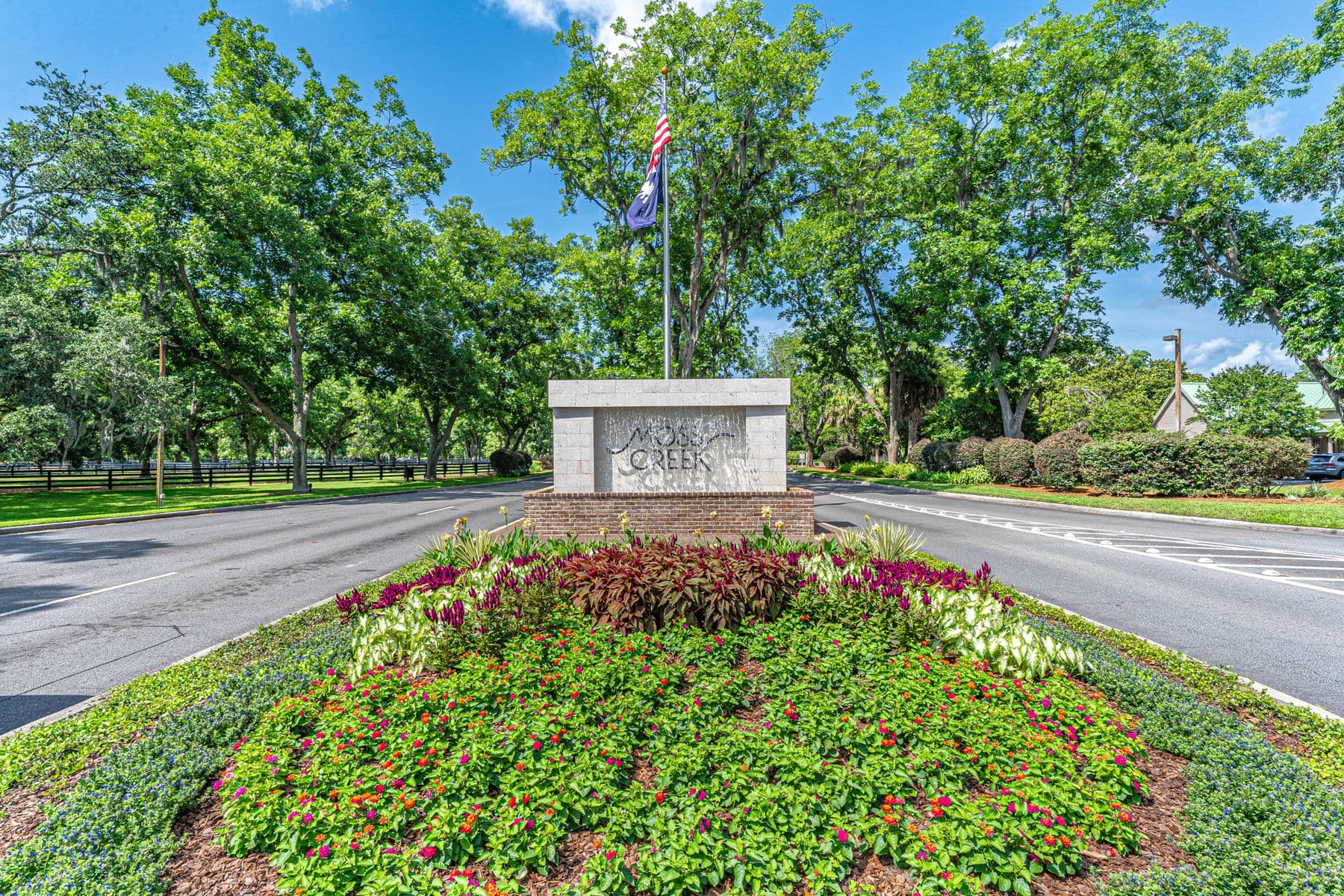
Know the Property Owners Association rules and finances inside and out before you buy. Moss Creek and Colleton River have completely different boards, reserve funds, debt levels, insurance coverage and planned capital projects — two gated communities fifteen minutes apart, structured nothing alike. Ask your agent to get you the annual meeting minutes and the latest budget. If they can't, that tells you something too.
- 02
The master deed decides how you get to live there
Get a copy of the master deed and understand the rules and restrictions before you're committed. Are short-term rentals allowed? What are the pet rules? Motorcycles, RVs, boats? What does the landscaping requirement actually oblige you to do? Can you put a fence in your own backyard? These are the details that decide whether a community fits your life, and they vary enormously from gate to gate.
- 03
If you plan to change the house, learn the review process first
Adding a garage, a pool, a second story, an outdoor Carolina room — all of it runs through architectural review. How many people sit on that board? How often do they meet? How quickly can you realistically get from idea to permit to finished work? Buyers who plan a renovation and discover the review timeline afterwards are the ones who end up frustrated.
Two gates, fifteen minutes apart, structured nothing alike
Moss Creek and Colleton River sit close enough that buyers routinely shortlist both. Their boards, reserve funds, debt levels, insurance coverage and planned capital projects are entirely different. Two communities in the same corner of Bluffton can carry very different long-term costs, and nothing on a listing portal will surface that.
I live in Moss Creek and have closed six transactions inside its gates. I’ve toured and researched Colleton River but haven’t sold there, which is precisely why the comparison I offer is about structure and documents rather than a claim to insider knowledge I haven’t earned.
Every charge you might meet, and who sets it
The monthly or annual dues are only part of it. These are the charges a Hilton Head or Bluffton purchase can involve, what decides each one, and when it lands. Only the last two have a fixed published rate, because a government sets them.
| Charge | Who sets it | When |
|---|---|---|
| Regime fee | The regime’s budget, split by the master deed percentages | Ongoing, usually billed monthly or quarterly |
| POA or HOA assessment | The association’s board, under the declaration and its budget | Ongoing |
| Special assessment | The board or owners, as the documents allow, for a project the budget doesn’t cover | When levied; ask whether one is pending before you offer |
| Association fee at sale (transfer, capital or initiation fee) | The community’s recorded documents | At closing |
| Club initiation and dues | The club, where a community has one; some tie membership to ownership and some don’t | At joining, then ongoing |
| Hilton Head real estate transfer fee | The Town of Hilton Head Island: .25 of one percent of the sale price, collected by Beaufort County | At closing, on property inside the Town |
| Deed recording fee | State law: $1.85 per $500 of value ($1.30 state, $0.55 county), owed by the seller as grantor | At closing |
The recording fee is easy to work out yourself with my deed recording fee calculator. The Town’s transfer fee applies inside the Town of Hilton Head Island only; a Bluffton or Beaufort address is a different jurisdiction.
Can a POA charge a fee when you buy?
Yes, even though South Carolina is wary of transfer fees in general. The state’s transfer fee statute, SC Code § 27-1-70, declares that a private fee charged every time a property changes hands is an unreasonable restraint on selling it, and makes such covenants recorded after the law took effect unenforceable.
The same statute then carves out the fees you will actually meet here. A fee paid to an association and used only for purposes its documents authorize, with none of it passed through to an outside party, is not a transfer fee covenant at all. Neither is a fee paid to a 501(c)(3), (c)(4) or (c)(7) organization that supports activities benefiting the community. So the question is not whether a community may charge one. It’s whether the community you’re looking at does, how much, and what it is spent on, and all three are answered in its recorded documents.
The seller’s unpaid regime fees can become yours
If you’re buying a condo or villa, read this one twice. Under SC Code § 27-31-220, the buyer of a unit in a horizontal property regime is jointly and severally liable with the seller for whatever the seller owes toward common expenses up to the day of the sale. You keep the right to recover it from the seller, but that is a claim against someone who has just left town with the proceeds.
The same section gives you the protection: on your request, the council of co-owners must issue a statement of what the seller owes, and your liability is limited to the amount in that statement. Section 27-31-200 then puts those unpaid assessments first in line to be paid out of the sales price, behind only past-due taxes and recorded mortgage payments. Before closing, make sure your closing attorney has asked for that statement.
How a POA raises its budget, and how owners see it
Dues change because budgets change, and the Homeowners Association Act sets a floor for how that happens. Under SC Code § 27-30-140, an association must give homeowners at least forty-eight hours’ notice before the meeting at which a budget increase is decided, posted in a common area, on its website, by email or by a method in its bylaws. That section does not apply to an association incorporated under the Nonprofit Corporation Act, which runs under its own rules.
Owners also have a right to look. A member of an association incorporated as a nonprofit can inspect its records on five business days’ written notice (§ 33-31-1602), and § 27-30-150 extends those access rules to every other association so homeowners can inspect and copy the annual budget and membership list. As a buyer you aren’t a member yet, so the budget and the latest minutes come through the seller. Ask for them early, before your inspection period starts running.
What happens if an HOA or regime fee isn’t paid?
For a unit in a regime, unpaid common-expense assessments are a lien on the unit that ranks ahead of everything except tax liens and recorded mortgages (§ 27-31-210). The board can foreclose it the way a lender forecloses a mortgage, or sue for the money without foreclosing. For an association outside a regime, the declaration sets the remedy, and magistrates court has concurrent jurisdiction over monetary disputes under the Act (§ 27-30-160). Homeowners and associations can also take a complaint to the South Carolina Department of Consumer Affairs, which the Act directs to receive and record them (§ 27-30-340).
Whether a particular charge is enforceable against a particular owner is a question for a South Carolina attorney on the facts. My job is making sure you know what you’re signing up to pay before you sign.
What to actually ask for
- The annual meeting minutes, the most recent set, not a summary.
- The latest approved budget, and the reserve study if one exists.
- Any current or planned special assessment.
- The master deed or declaration, in full, including amendments, and the recorded book and page so you can compare it with the county copy.
- The short-term rental policy, in writing.
- The architectural review process, its board size and meeting cadence.
- Every fee due at closing: transfer, capital contribution or initiation, and who pays it.
- For a condo or villa, the council of co-owners' statement of what the seller owes.
If your agent can’t get these, that tells you something too.
A yearly cost-of-ownership worksheet
The figure that matters is what the house costs to own each year, not the monthly dues on the listing. This worksheet builds it line by line, and names the document that actually sets each number, so nothing on it is a guess.
| Line | Where the number comes from |
|---|---|
| POA or HOA assessment | The current approved budget |
| Regime fee, times the billing periods in a year | The regime budget and your unit’s master deed percentage |
| Pending special assessment | The minutes and the board’s written answer |
| Club dues, if membership applies | The club’s current schedule |
| Property tax | Your ratio, 4% or 6%, and the millage, in my property tax guide |
| Homeowners, flood and wind insurance | Quotes for the address; what the regime’s master policy covers decides what yours must. See coastal insurance |
| One-time: fees at closing | The recorded documents, the Town fee where it applies, and your closing attorney’s statement |
Where to find a community’s actual fees
This guide doesn’t list fees community by community. Those figures change every time a board adopts a budget, they’re checkable, and a stale number costs a buyer real money. Where an association publishes its own fee schedule, the community page names each charge, says who pays it and links that schedule, as the Moss Creek and Sun City Hilton Head pages do. For the current numbers in any community, ask me and I’ll give them to you for the one you’re actually considering.
Ask me for a community’s feesRegime, POA and HOA fee questions
- What is a regime fee?
- What buyers here call a regime fee is a condo or villa owner's share of the common expenses of a horizontal property regime. Under SC Code § 27-31-100(d) the recorded master deed sets each unit's percentage of those expenses, and § 27-31-190 obliges every co-owner to pay that share toward administration and the maintenance and repair of the common elements. No owner can opt out by not using the common elements.
- Is a regime fee the same as a POA or HOA fee?
- No. A regime fee is your share of a horizontal property regime's common expenses, fixed by the percentage in the recorded master deed (SC Code § 27-31-100(d) and § 27-31-190). A POA or HOA fee is an assessment levied by an association under its recorded declaration; South Carolina's Homeowners Association Act defines that association as an entity managing a planned community or a regime whose declaration requires owners to pay assessments for taxes, insurance, maintenance, improvements or services (§ 27-30-120(6)). A villa inside a gated community can owe both.
- Can I end up owing the seller's unpaid regime fees?
- Yes, for a unit in a horizontal property regime. SC Code § 27-31-220 makes the buyer jointly and severally liable with the seller for the seller's unpaid share of common expenses up to the date of conveyance, with a right to recover it from the seller. The same section requires the council of co-owners to issue a statement of the amount due on the buyer's request, and limits the buyer's liability to the amount in that statement. Section 27-31-200 adds that unpaid assessments are paid first out of the sales price, after only past-due taxes and recorded mortgage payments.
- Can a POA in South Carolina charge a fee when a home sells?
- It can. SC Code § 27-1-70 makes transfer fee covenants recorded after it took effect unenforceable, but its definition of a transfer fee covenant excludes a fee paid to an association and used exclusively for purposes its documents authorize, where no part must be passed through to a designated third party. It also excludes fees paid to 501(c)(3), (c)(4) or (c)(7) organizations that support activities benefiting the community. Whether a particular community charges one, and how much, is in its recorded documents.
- Does an HOA have to give notice before it raises the budget?
- Under SC Code § 27-30-140, an association must give homeowners at least forty-eight hours' notice before the meeting at which a decision to raise the annual budget is made, by posting in a common area, on its website, by email, or by a method in its bylaws that ensures actual notice. The section does not apply to an association incorporated under the South Carolina Nonprofit Corporation Act, whose own rules and bylaws govern instead.
- What happens if regime fees go unpaid?
- For a unit in a horizontal property regime, SC Code § 27-31-210(a) makes unpaid common-expense assessments a lien on the unit that ranks ahead of everything except tax liens and recorded mortgages. The board can foreclose that lien in the same way as a mortgage, or sue for a money judgment without foreclosing. For monetary disputes under the Homeowners Association Act, § 27-30-160 gives magistrates court concurrent jurisdiction within its limits.
Reviewed by Melissa Redd, REALTOR® · South Carolina Real Estate License #125025 (Associate) · Last reviewed
Sources
Every rule below is set by someone other than me, and each one changes on its own schedule. The date is when I last opened the link and checked that this page still matches it. Before you act on any of it, open the source — and for anything specific to one address or one parcel, confirm it for that address.
- SC Code § 27-31-100(d): the recorded master deed states the value of each apartment and, from it, the percentage each co-owner bears of the common expenses — checked 2026-11-20
- SC Code § 27-31-190: co-owners must contribute pro rata toward the expenses of administration, maintenance and repair of the common elements, and no co-owner may opt out by waiving use of them or abandoning the apartment — checked 2026-11-20
- SC Code § 27-31-200: on a sale, unpaid assessments are paid first out of the sales price or by the buyer, after only past-due taxes and recorded mortgage payments — checked 2026-11-20
- SC Code § 27-31-210(a): unpaid common-expense assessments are a lien on the apartment, behind only tax liens and recorded mortgages, foreclosable like a mortgage; a money judgment may be sought without foreclosing — checked 2026-11-20
- SC Code § 27-31-220: the buyer is jointly and severally liable with the seller for the seller's unpaid share up to conveyance, may request a statement of the amount from the council of co-owners, and is liable only for the amount in that statement — checked 2026-11-20
- SC Code § 27-30-120(6): a homeowners association is an entity managing a planned community or horizontal property regime whose declaration requires owners to pay assessments for a share of taxes, insurance, maintenance, improvements or services — checked 2026-11-20
- SC Code § 27-30-140: at least forty-eight hours' notice to homeowners before the meeting at which an annual budget increase is decided; does not apply to an association incorporated under the Nonprofit Corporation Act — checked 2026-11-20
- SC Code § 33-31-1602 and § 27-30-150: a member of a nonprofit corporation may inspect its records on five business days' written notice; § 27-30-150 applies those access provisions to associations not subject to the Nonprofit Corporation Act, for the annual budget and membership list — checked 2026-11-20
- SC Code § 27-30-160 and § 27-30-340: magistrates court has concurrent jurisdiction over monetary disputes under the Act; the Department of Consumer Affairs receives and records homeowner and association complaints — checked 2026-11-20
- SC Code § 27-1-70: transfer fee covenants recorded after the section took effect are unenforceable, but the definition excludes a fee paid to an association and used exclusively for purposes its documents authorize, and fees paid to 501(c)(3), (c)(4) or (c)(7) organizations benefiting the community — checked 2026-11-20
- SC Code § 12-24-10(A), § 12-24-20(A) and § 12-24-90: the deed recording fee of $1.85 per $500 of value ($1.30 state, $0.55 county), the grantor's liability — checked 2026-11-20
- Town of Hilton Head Island, Taxes and Fees: Real Estate Transfer Fee of .25 of one percent of the sale price, usually included in closing costs, collected by Beaufort County for the Town's Land Acquisition Program — checked 2026-11-20
Let's talk about your move.
Whether you're a year out or under contract next month, a short conversation is the fastest way to know where you stand.